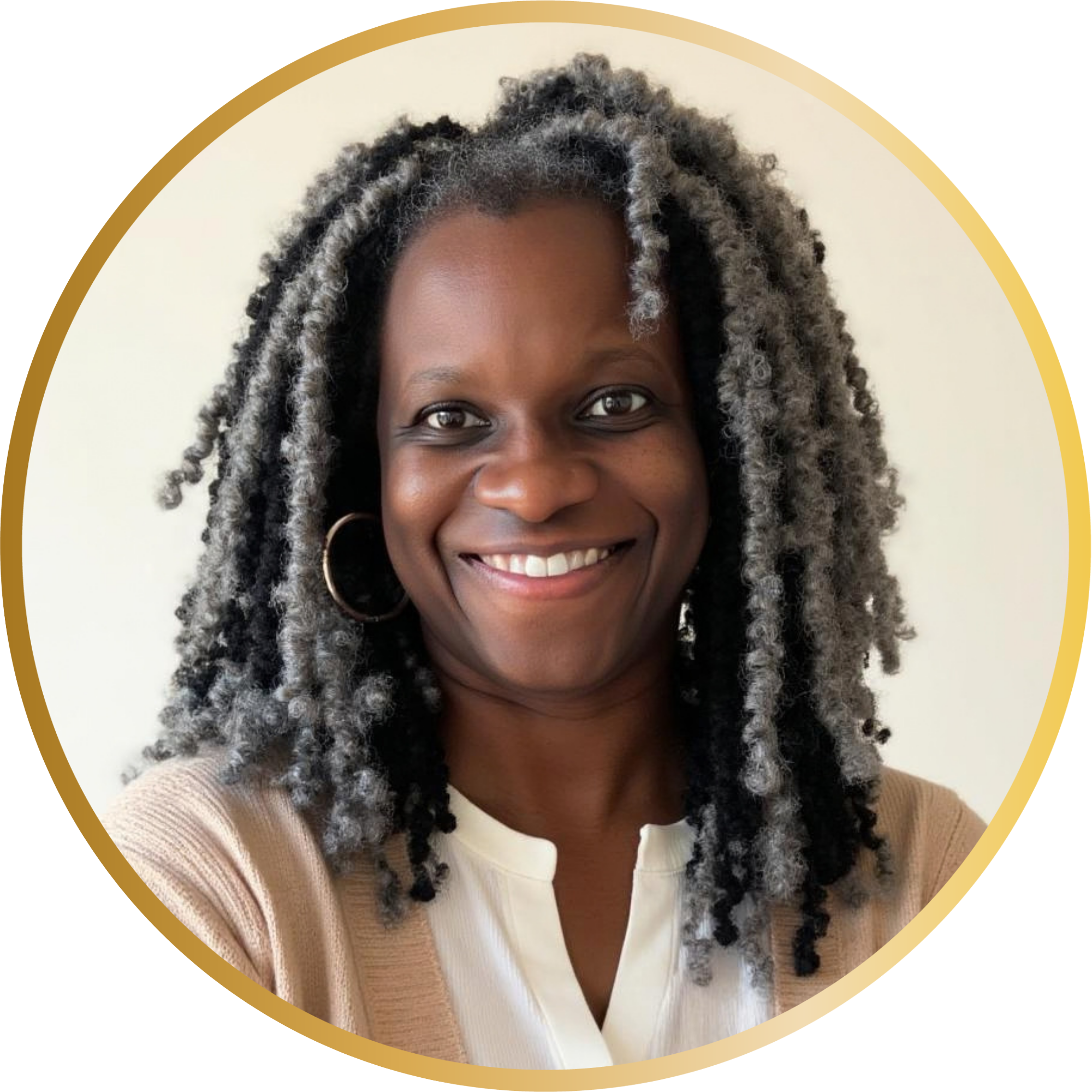
The Hidden Cost of Success: When Burnout Becomes Your Identity

I can still see it clearly: my small hands resting on the porcelain sink while my grandmother stood behind me, gently guiding my gaze back to the mirror and asking me to repeat words meant to strengthen my belief in who I could become.
Long before I knew the word affirmations, she was teaching me how to speak confidence into myself.
I grew up in a household where belief in yourself was important, but so was discipline. The message in our home was clear: work hard, earn your diploma, and build a stable life. I also grew up watching many women in my family carry enormous responsibility. Some worked multiple jobs while raising families, carrying responsibilities that rarely left room for rest. Their resilience kept our households moving forward.
Those early observations shaped me in powerful ways. Without realizing it, I absorbed the belief that work should be tied to one's identity, dignity, and survival. For most of my adult life, that mindset served me well.
My career as a speech-language pathologist took me to places I never imagined. I lived and worked in cities many professionals dream about, including Vancouver, New York City, Beijing, and Toronto.
I practiced across hospitals, rehabilitation centers, private practices, and schools, supporting children and adults with a wide range of communication and feeding challenges. At one point, I even started a small business in Beijing helping students prepare for college and job interviews. My career was unconventional and deeply fulfilling.
Outside of work, my life was equally vibrant. I traveled widely, attended concerts, explored hobbies like pottery, reading, writing, hiking, and camping, and spent afternoons wandering through art galleries and restaurants.

From the outside, it looked like I had created the kind of life many people aspire to.
Which is precisely why it took me so long to recognize when something inside me began to shift.
I started noticing that something was amiss during COVID.
Like many healthcare professionals, the pace of my work intensified almost overnight and honestly, I was thankful for it. I had started my home health practice only six months earlier and initially wasn't sure it would survive. However, I underestimated how many referrals I would receive in such a short time. Families were at home with little to do, so they prioritized their children's eating or speaking challenges. I found myself working six demanding days a week seeing families in their homes while also running my business.
Providing therapy in people's homes meant I was often present for moments that went far beyond the session itself. I overheard arguments, worries about finances, moments of frustration, and the emotional strain families were experiencing during an uncertain time. I became privy to their thoughts and tensions whether I intended to be or not.
While I was grateful to still have work when so many people did not, I slowly began to feel as though I was prioritizing everyone else's needs except my own.
At first, the changes were subtle. I would pause mid-sentence and lose my train of thought. I would walk into a room and forget why I had gone there. The moment lingered just long enough to feel unsettling. Then, in March 2024, another symptom appeared.
A sharp pain settled into my shoulder. Some mornings it felt as though my shoulder had been welded into place overnight. Every attempt to lift my arm reminded me that something inside had locked up long before my joints did. At first, I brushed it aside the way many ambitious women do, assuming it would disappear if I lay off exercise for a few days. However, the pain did not go away. By May, I received a diagnosis: frozen shoulder. Both my doctor and chiropractor were surprised and told me I was too young to experience this condition. They suggested that I consider speaking with a licensed therapist. That recommendation stopped me in my tracks.
Around the same time, other symptoms appeared. Brain fog settled in. My body felt heavy and constantly fatigued. No matter how much rest I tried to get, it never seemed to be enough. What confused me most was the contradiction I felt inside myself. I was exhausted, yet I also felt guilty for feeling this way. Part of me wondered if I had somehow become lazy. Another part of me knew that I had spent years proving that I was anything but that.
The irony is that I am highly educated and very familiar with burnout. I had read about it, heard colleagues discuss it, and understood it intellectually. Yet it never occurred to me that I might be experiencing it myself.
Over the next several months, I spiraled into deeper reflection, questioning my entire relationship with work and whether the stress and emotional weight I carried were worth it. The more radically honest I became with myself, the clearer the answer was.
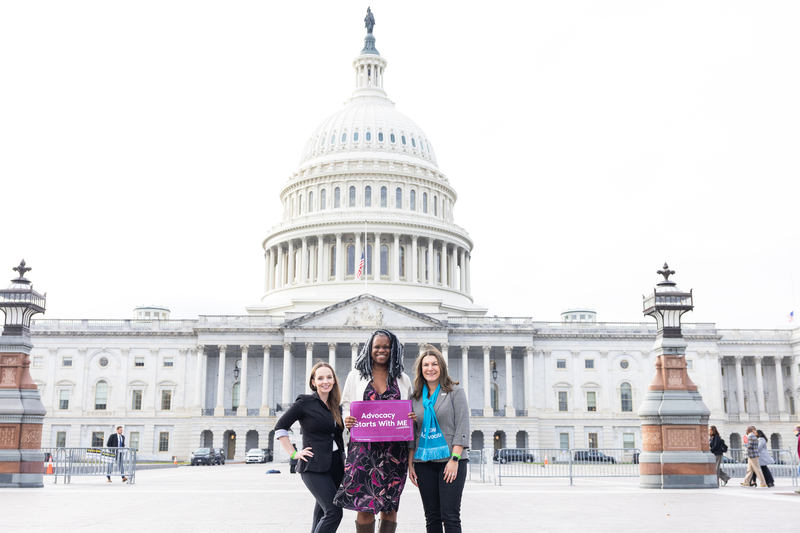
It wasn't.
Burnout does not always arrive in dramatic fashion. For me, it appeared disguised as fatigue, confusion, and the unsettling realization that my identity had become entangled with my ability to keep producing.
For women of color, these questions feel even more complicated. Many of us grow up understanding that excellence is not optional. We learn early that we must work harder, achieve more, and prove ourselves in spaces not designed with us in mind. Success becomes both a personal goal and a form of protection.
For anyone who recognizes themselves in this story, a few gentle shifts can help begin the journey out of burnout.
First, listen to your body before it shouts or cracks. Chronic fatigue, brain fog, and tension are often early signals that something needs attention.
Second, practice creating boundaries around your time and energy. High-achieving people often learn to prioritize everyone else's needs first, but sustainable success requires protecting your own capacity.
Finally, reconnect with parts of your identity that exist outside of work. Creativity, movement, relationships, and rest are not distractions from life. They help us live it more meaningfully.
Success quietly became part of my identity, and burnout followed close behind it. Stepping back forced me to ask a different question: who am I when my worth is no longer measured by how much I produce?
The answer is still unfolding, but I know this much. Success should never cost you your health, peace, or sense of self.
Sometimes the bravest thing we can do is loosen our grip on the identities we built through work and remember that we are more than what we achieve.